
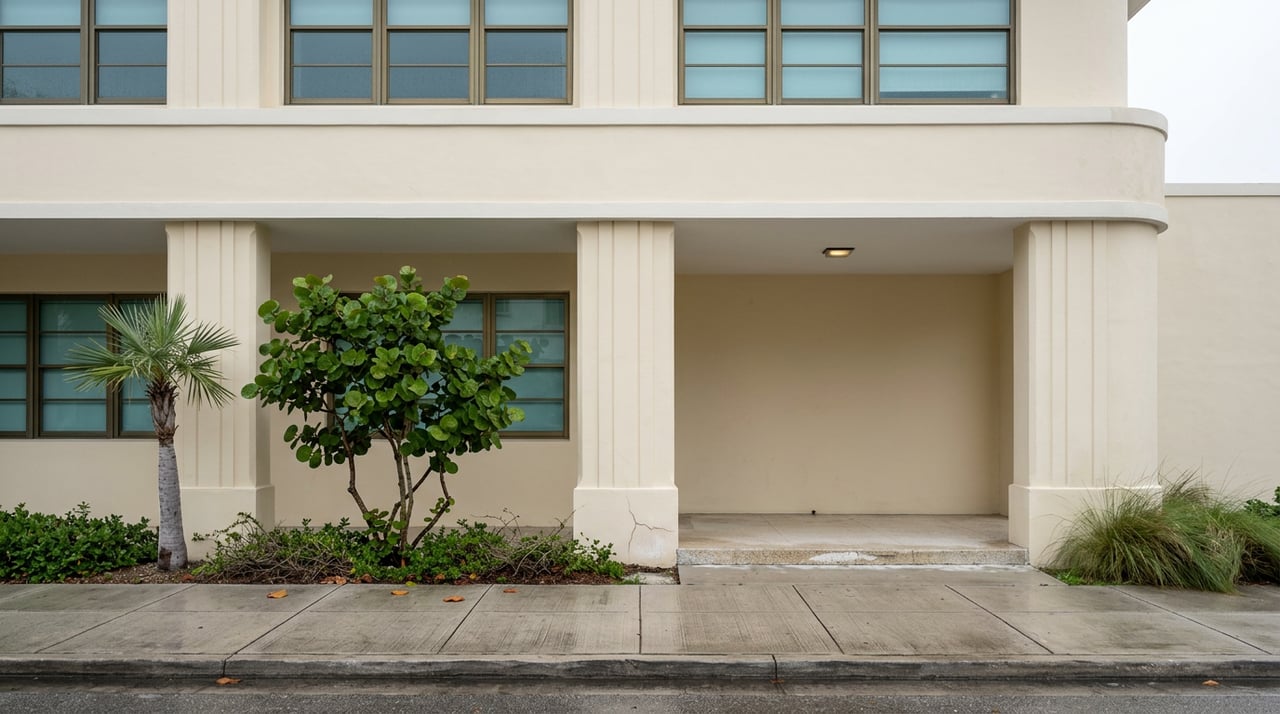
Walk down Purdy Avenue in Sunset Harbour this month and you will pass a dark storefront with butcher paper taped over the windows, then step around a line of people waiting for a 6 a.m. class two doors down. Both things are true about Sunset Harbour right now. A run of longtime tenants have gone dark since the start of 2026, and the block is as busy as it has been in years. Read either fact by itself and you get a headline about a neighborhood in trouble or a neighborhood on fire. Read them together and you get the real story, which is that the operators fighting for space in Miami Beach right now studied these blocks for years before signing a lease. They are not chasing a quick tourist dollar. They are betting on people who already live within a five-minute walk.
That distinction matters if this is your neighborhood, because it tells you which closures are worth mourning and which are just a lease ending on schedule.
The corridor that got quiet, then loud again
Panther Coffee closed its Sunset Harbour location in February 2026 after thirteen years on the block. Paya, chef Niven Patel's restaurant, closed around the same time. So did Sardinia, the Italian spot that had anchored 1801 Purdy Avenue for years. All three left amid rising rents, and for a stretch, this part of Purdy Avenue read like a neighborhood in transition rather than a destination.
That reading missed what was already happening lease by lease. Marc Rose and Med Abrous, the Los Angeles restaurateurs behind the Call Mom hospitality group, spent years scouting Miami before choosing the old Sardinia space for their first restaurant outside California. The concept is Genghis Cohen, the 42-year-old Los Angeles institution known for red booths and tiki cocktails, and the real-life restaurant that inspired one of Seinfeld's most quoted episodes. They are targeting a fourth-quarter 2026 opening timed to the holidays, though the team has said permits and construction will ultimately decide the date. What matters more than the timeline is the reasoning they gave local press: after looking at blocks across the city, they picked Sunset Harbour specifically for its walkability and its built-in neighborhood energy, the same two things a Sunset Harbour local already values the corridor for.
They were not alone in that math. Casa Isola moved into the old Pubbelly space with chef Jose Mendin, a five-time James Beard Award nominee. BeyBey reopened as part restaurant, part gathering space, with a 24-seat cocktail bar planned to follow. Caracas Bakery, along with its Casa Caracas lunch service, opened on the block this year too. None of these are safe bets from operators testing the market before committing elsewhere. They are specific, informed decisions from people who could have opened almost anywhere in Miami and chose this half-mile instead.
The same pattern holds a few miles south.
Two blocks from the beach is becoming its own real estate category
South Beach's coffee scene has quietly gotten more interesting in 2026, and it happened through the same kind of small, deliberate bets rather than a wave of investment. Casa Rassi started as a pop-up and now has a permanent home in South Beach. A few blocks away, Suite Habana, the Cuban coffee shop that built a following in Wynwood, closed that original location entirely and opened a new one at 1670 James Avenue, close enough to the sand that regulars describe it by distance to the beach rather than by cross streets. Neither shop needed South Beach to survive. Both chose it, betting on people who live within walking distance rather than visitors passing through once.
The same logic explains what happened at the Gale Hotel this month. Medium Cool, the underground jazz bar that had been pouring cocktails and spinning vinyl on Collins Avenue since 2023, closed on August 22 after the hotel changed its plans for the space. Co-founders Dan Binkiewicz and Joshua Wagner are already searching for a new Miami home for the bar, which tells you the closure is about one lease ending, not a verdict on the concept or the neighborhood. In the meantime, the same team, working with Caracas Bakery, has already opened Vecinos on Indian Creek Drive, an all-day spot pouring coffee and pastries in the morning and cocktails later on. The operators did not leave Miami Beach. They moved the bet to a different address on the same island.
North Beach fills its own calendar
While Sunset Harbour and South Beach sort out their storefronts, North Beach is building something different this fall: a calendar that gives people a reason to be at a specific corner on a specific night, rather than just passing through on the way somewhere else.
Ezio's opened this year in North Beach, an Italian-inspired steak and seafood restaurant from the team behind New York's Roberta's, built around a raw bar with locally sourced seafood and an in-house dry-aging program for beef and lamb. It is the kind of menu that assumes a neighborhood audience willing to come back weekly, not a one-time stop for out-of-towners.
The Miami Beach Bandshell, the open-air amphitheater inside North Shore Park, is running the same play at a bigger scale. In 2025, the venue welcomed more than 70,000 people across over 140 public concerts, festivals, and community events, by its own count. This fall's calendar is already filled in with dates worth putting on an actual calendar rather than a maybe:
- September 17: FilmGate Music Videos Festival, showcasing work from local filmmakers
- September 19: the 73rd Street Beach Cleanup
- September 26 and 27: back-to-back shows from Santiago Cruz and Silvana Estrada
- October 2: Thundercat
- October 3: Zoso, the Led Zeppelin tribute act
- October 4: the Florida Fellowship Super Choir's 10th anniversary concert, rooted in the Black gospel tradition
None of these bookings exist to pull crowds off Ocean Drive. They exist because the Rhythm Foundation, which has managed the Bandshell since 2015 and has presented international music in Miami Beach for more than 35 years, builds a season around the assumption that North Beach residents will show up on a Thursday in September and come back again in October for something completely different.
What the pattern is actually telling you
Line up Sunset Harbour's rotating storefronts, South Beach's new coffee corridor, and North Beach's packed fall calendar, and one pattern shows up three separate times. The operators willing to commit to Miami Beach right now are not chasing the biggest possible crowd. They are chasing the smallest reliable one, the people who already live within a few blocks and will actually come back. That is why a Los Angeles restaurant group spent years scouting before settling on one specific address on Purdy Avenue, why a Wynwood coffee shop relocated its entire operation to be two blocks from the sand, and why a nonprofit music venue keeps building a season around acts that reward regulars more than passersby.
If you already live on the island, that is useful on its own terms. It tells you which new storefront is worth walking past again in a few weeks and which dark window is just a lease running out, not a neighborhood losing its footing.
If you are ever curious what any of this means for your own corner of Miami Beach, Jonathan Garcia tracks these blocks the same way, one lease and one calendar listing at a time. Let's Connect.