
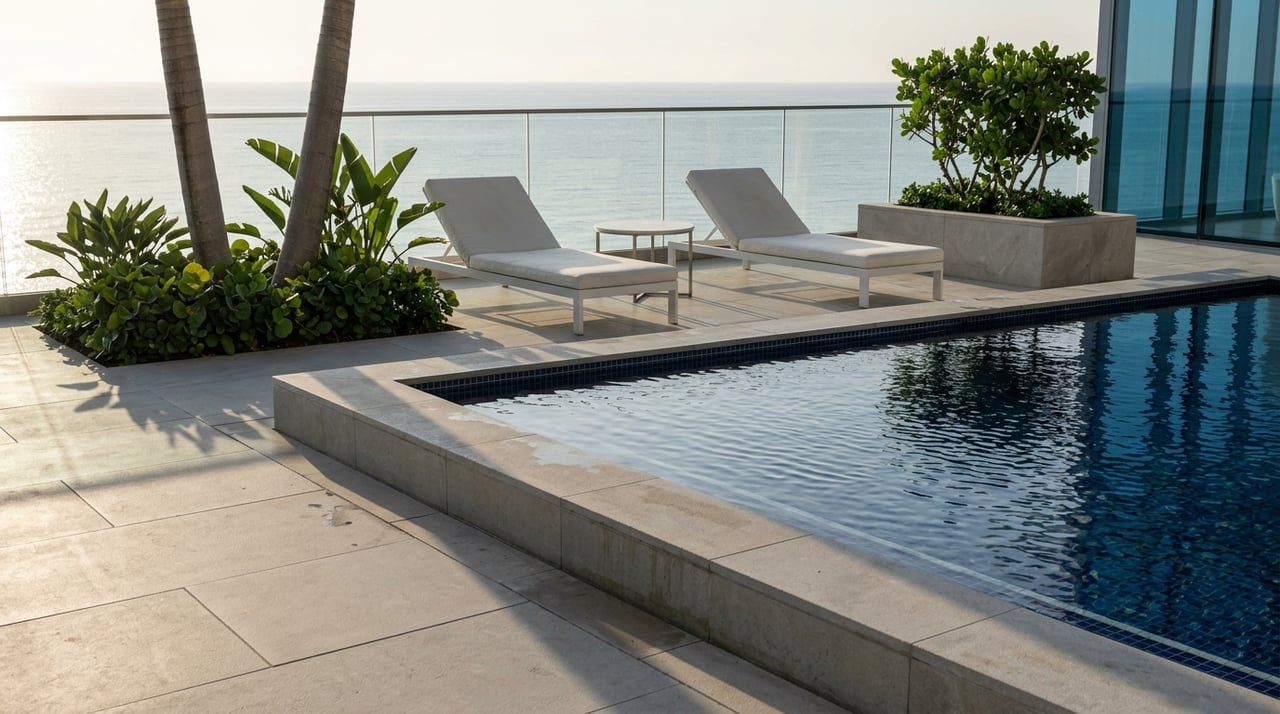
Picture this: your morning starts with ocean air, a walk along a public beachfront promenade, and the option to grab breakfast a few blocks from home without ever feeling far from the water. That is the real draw of living in Miami Beach oceanfront condos. If you are thinking about buying here, you need more than postcard images. You need a clear picture of daily life, seasonal patterns, and the building factors that truly shape ownership. Let’s dive in.
What Oceanfront Living Really Means
Living in a Miami Beach oceanfront condo is not just about views. It is about being part of a shoreline corridor where the beach, the city, and daily routines all overlap. The setting feels active and public, not sealed off or private.
A big part of that experience is the Beachwalk. According to the City of Miami Beach, this ADA-accessible paver promenade runs about nine miles from South Pointe Park to 87th Street and includes restrooms, water fountains, playgrounds, and parking access points. It operates 24/7, which makes it a major part of how many residents move through the beachfront.
The beach itself also shapes the lifestyle. Miami Beach has public beaches with lifeguard towers along its seven-mile shoreline, and the city posts warning flags for currents, riptides, marine life, and water conditions. City rules also prohibit alcohol and smoking on the sand, which helps define how the beachfront is used day to day.
Miami Beach Oceanfront Areas
South Beach Feel
South Beach runs from South Pointe Park to 23rd Street and is the most recognizable part of Miami Beach. Here, you are close to iconic streetscapes, Art Deco architecture, and some of the destination’s best-known dining and entertainment areas. The pace tends to feel energetic, visual, and highly social.
Ocean Drive captures that atmosphere clearly. The area offers ten walkable blocks of shopping, dining, entertainment, wellness options, and ocean views, with the beach on one side and historic architecture on the other. If you want a condo lifestyle tied closely to activity and foot traffic, this section often delivers that experience.
Mid Beach Feel
Mid Beach sits between South and North Beach and often feels like a transition zone between high-energy and more relaxed living. The oceanfront experience here is still connected to the same beachfront corridor, but the rhythm can feel a bit more balanced depending on the building and exact location.
This part of the coast is closely associated with resort-style living and hospitality-driven dining. The local dining scene includes well-known hotel restaurants and waterfront terraces, which makes food, views, and walkability part of everyday life for many residents.
North Beach Feel
North Beach runs from 60th Street to Surfside and is generally described as more residential and low-key. The beach experience is quieter, and the architecture shifts more toward MiMo rather than the Art Deco look that defines much of South Beach. For buyers who want oceanfront access with a calmer pace, this area often stands out.
North Beach also offers more of the residential side of Miami Beach living. You still have the shoreline, public beach access, and the broader city amenities, but the overall feel is often less driven by nonstop activity.
Daily Life in Oceanfront Condos
One of the strongest appeals of oceanfront condo living in Miami Beach is how easy it is to build movement into your day. The city actively promotes Miami Beach as a health and wellness destination, with walking and running paths, tennis and pickleball courts, the Beachwalk, and public pools at Flamingo Park and Normandy Isles.
In practical terms, that means your day can start outside. Many residents can begin with a walk, run, bike ride, or court session before the beach gets busier. That kind of routine is a major part of the lifestyle value here.
Dining also plays an unusually large role in everyday living. Miami Beach’s restaurant scene ranges from oceanfront fine dining and celebrity-chef venues to casual cafes, brunch spots, and seafood-focused restaurants. The result is that even regular weeknights can feel connected to a destination-style setting rather than a purely residential one.
Because so much of the oceanfront corridor is walkable and public-facing, your condo lifestyle is often tied to what is happening just outside the building. That can be a major benefit if you want convenience and energy close at hand. It also means choosing the right pocket of Miami Beach matters if you want the activity level to match your routine.
Seasonal Rhythm on the Beach
Winter Brings More Energy
Winter is one of the most active seasons in Miami Beach. Greater Miami & Miami Beach highlights Art Basel Miami Beach, the South Beach Wine & Food Festival, holiday programming, and outdoor concerts during this time of year. That event calendar tends to bring more visitors and a stronger sense of buzz to the beachfront.
Weather supports that outdoor lifestyle too. NOAA monthly normals for the Miami Beach station show average highs of about 73.6°F in January, 74.8°F in February, and 76.5°F in March. For many residents, that creates a long stretch of comfortable outdoor living.
Summer Feels More Local
Summer still supports outdoor living, but the rhythm changes. NOAA data show average highs rising to 87.8°F in July and 88.1°F in August, so heat becomes a more constant part of daily life. Early mornings and later evenings often become more attractive for time outside.
Summer is also South Florida’s rainy season. The City of Miami Beach notes that the rainy season runs from May through October, and stormwater runoff after rainfall can affect beach water quality. If you spend a lot of time on the sand, it is smart to stay aware of recent weather and posted advisories.
Turtle Season Matters Too
Miami Beach’s shoreline calendar also includes sea turtle nesting season, which begins April 1 and runs through October 31. During that period, the city uses lighting-reduction efforts along the beachfront to protect nesting conditions. For condo residents, that is one more example of how living on the oceanfront means living within a regulated coastal environment, not just near a scenic view.
Architecture Shapes the Experience
Miami Beach oceanfront condos stand out partly because of the city’s architectural identity. The city says Miami Beach has the world’s largest collection of Art Deco structures, along with Mediterranean Revival, MiMo, Colonial Revival, vernacular, and contemporary architecture. Its historic districts include more than 2,600 buildings, with about 70% considered contributing or historic.
That architectural range is part of what makes condo living here feel distinct from one area to another. South Beach is strongly tied to pastel Art Deco facades and a dense historic setting, while North Beach leans more toward MiMo and a more open, residential pace.
City design guidance also shapes the feel of the oceanfront corridor. Miami Beach’s oceanfront guidelines call for view, light, and breeze corridors, discourage a continuous wall effect along the beach, and favor stepped building forms, distinctive rooflines, dune landscape plans, and shaded pool decks. Those design choices help explain why many oceanfront buildings feel terraced, open, and resort-like.
Pricing Has a Wide Range
Miami Beach condo pricing covers a broad spectrum, and broad market numbers help show that range. In Miami REALTORS Q4 2025 condo and townhome metrics, median sale prices were $467,500 in 33139, $617,000 in 33140, and $376,500 in 33141. In 33109, a small sample posted a $5.0 million median sale price based on five closed sales.
For a wider benchmark, Miami Beach’s citywide Q2 2025 condo median sale price was $500,000, with an average sale price of about $1.26 million. These figures are not oceanfront-only pricing, so they are best used as general market anchors rather than direct estimates for every beachfront building.
This is also a market with a strong second-home and cash-buyer presence. MIAMI REALTORS reports that Miami Beach is the number two vacation home market in the United States, with 13,817 vacation homes representing 22% of housing stock and $3.4 billion in 2025 sales volume. The same report says 75% of sales in South Florida vacation-home markets were all-cash, which helps explain why the buying landscape can feel especially competitive and investment-aware.
What Buyers Should Check Carefully
In older oceanfront condos, the view is only part of the story. One of the most important buyer checks is the condition and financial posture of the building itself. Miami Beach states that commercial and multifamily buildings reach recertification at age 30 and every 10 years after that.
Florida law also requires milestone inspections for many residential condo buildings that are three habitable stories or more, along with structural integrity reserve studies for qualifying associations. In plain terms, that means you should look closely at the building’s age, inspection history, reserve funding, and recent capital improvements.
This is where a strategic, data-minded approach matters. When you compare oceanfront options, it is not enough to evaluate finishes, views, or amenities. You also want to understand the building’s long-term maintenance picture and how that may affect ownership costs and resale strength.
Why Representation Matters Here
Miami Beach oceanfront condos offer a lifestyle that blends wellness, walkability, architecture, hospitality, and waterfront living in a way few markets can match. At the same time, this is a layered market shaped by seasonality, building age, public shoreline rules, and a wide pricing spread. The right purchase depends on matching the building and location to how you actually want to live.
If you are exploring oceanfront condos in Miami Beach, working with an advisor who understands both the lifestyle side and the numbers side can help you make a smarter decision. To start that conversation, connect with Jonathan Garcia.
FAQs
What is daily life like in Miami Beach oceanfront condos?
- Daily life often includes easy access to the beach, the nine-mile Beachwalk, outdoor fitness options, and a wide range of nearby dining and wellness experiences.
What are the main oceanfront areas in Miami Beach?
- The main areas are South Beach, Mid Beach, and North Beach, each offering a different mix of pace, architecture, and residential feel.
How seasonal is living in Miami Beach on the oceanfront?
- Winter tends to be busier and more event-driven, while summer is hotter, rainier, and often feels more weather-sensitive and locally paced.
What should buyers review in older Miami Beach condo buildings?
- Buyers should review building age, recertification status, milestone inspections, reserve studies, and any recent or planned capital work.
Are Miami Beach oceanfront condo prices all in the luxury tier?
- No. Miami Beach condo prices vary widely by zip code, building, and product type, with some broad market medians below luxury price points and others reaching very high-end levels.