
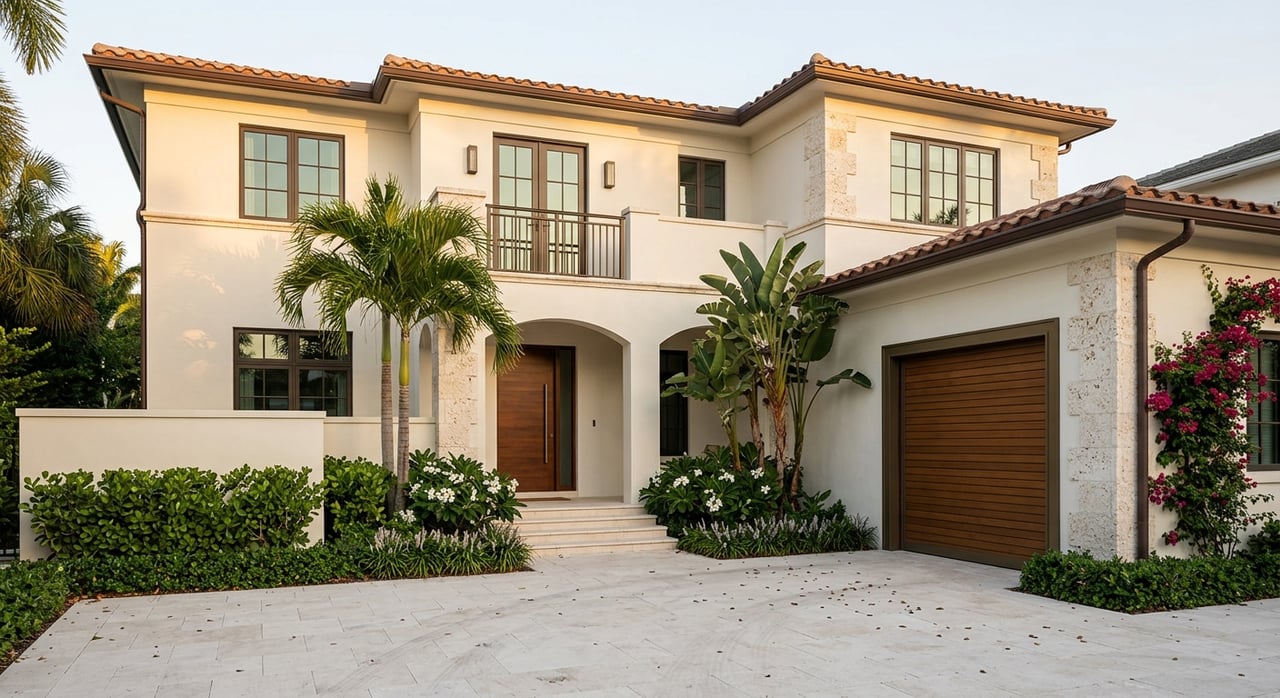
Trying to line up a home sale and a home purchase in Coral Gables can feel like solving a puzzle with moving pieces on every side. You want to protect your equity, secure your next home, and avoid a last-minute scramble over timing, financing, or possession. The good news is that with the right plan, you can reduce stress and make smarter decisions at each step. Let’s dive in.
Why timing matters in Coral Gables
Coral Gables is a high-value market, but it is not a market where you should assume your home will sell overnight. Redfin’s April 2026 data shows a median sale price of $1.599 million, an average of 83 days on market, and sale prices averaging about 5% below list. Redfin also characterizes the market as not very competitive.
For you, that changes the way a sell-and-buy move should be planned. If your next purchase depends on proceeds from your current home, you may need a real marketing window rather than a best-case assumption. In a market like Coral Gables, coordination is less about luck and more about strategy.
Start with your equity and cash flow
Before you look at homes, you need a clear picture of what your current sale is likely to produce. That means looking at your mortgage payoff, estimated closing costs, and how much cash you may have available for the next purchase. It also means being realistic about timing, especially if your household is moving within the same local market.
On the purchase side, closing costs matter too. Freddie Mac notes that purchase closing costs can run about 2% to 5% of the loan amount, so your budget should account for more than just the down payment. If you are trying to buy and sell at the same time, a detailed cash-flow plan can prevent expensive surprises.
Choose the right move sequence
There is no single best way to coordinate a sale and purchase. The right path depends on how much flexibility you have with financing, how dependent you are on sale proceeds, and how competitive your target purchase may be.
Sell first, then buy
Selling first is often the cleanest path if your next purchase depends on the equity in your current home. At closing, ownership transfers, existing mortgages are paid off, and you receive the sale proceeds. That gives you a firm number to work with when you move into the buying phase.
This approach can reduce financial pressure because you are not carrying two homes at once unless you choose to. The tradeoff is that you may need a temporary housing plan if your purchase does not line up right away. In Coral Gables, that can still be the most controlled option for many seller-buyer households.
Buy first, then sell
Buying first can make sense if securing the next home is your top priority. This may appeal to you if you do not want to risk missing a property that fits your needs. But it requires stronger financing preparation.
Fannie Mae notes that a bridge or swing loan may be acceptable if it is not cross-collateralized against the new property and the lender documents your ability to carry the new home, the current home, the bridge loan, and your other obligations. In simple terms, this route can work, but only if your finances can comfortably support it.
Use a home sale contingency
A home sale contingency can offer protection if you need to sell your current home to finance the next one. Freddie Mac says this type of contingency can give you a set time frame to complete the sale, and if the home does not sell in time, the contract can end and earnest money is returned.
That said, this option can make your offer less attractive. Freddie Mac also notes that sellers often continue marketing their property while the contingency is open. In a desirable segment, that can put you at a disadvantage against buyers with fewer conditions.
Coordinate same-day closings
Same-day or near-same-day closings can work, but they require tight coordination. The purchase closing and loan closing typically happen at the same time, and the closing itself can take a few hours. Buyers also typically complete a final walk-through about 24 hours before closing.
This path can limit the gap between selling and buying, which is appealing if you want to move once. But it is operationally sensitive. Delays with lender approval, title work, wire timing, or signing can affect the entire chain.
Get financing lined up early
If your move involves a mortgage, lender conversations should begin well before you make an offer. Freddie Mac says the average time to close a purchase loan is 43 days. That timeline alone can shape how you list, negotiate, and schedule your move.
You also want to compare official loan offers carefully and choose the mortgage that best fits your goals. If your purchase depends on financing, the mortgage contingency in your contract is a major protection point because it helps determine whether your deposit is refunded if the loan falls through. This is one area where early planning gives you more control.
Build your contract timeline carefully
A smooth sell-and-buy move usually comes down to dates and deadlines. You need to think through when to list, how long to allow for marketing, when to accept an offer, and how the purchase side will fit around those steps. In Coral Gables, where homes are not moving at a lightning pace, this matters even more.
A practical timeline often includes:
- Preparing your home for market before you actively shop
- Talking with a lender early about borrowing power and timing
- Reviewing likely net proceeds from your sale
- Deciding whether you will sell first, buy first, or use a contingency
- Setting realistic closing dates on both transactions
- Planning for any temporary occupancy gap
The earlier these decisions are made, the easier it is to negotiate from a position of clarity.
Watch the closing details closely
The final stretch is where small mistakes can become expensive. Mortgage closing is a legally binding step, so all documents should be reviewed carefully before you sign. If anything differs from your expectations, ask questions before moving forward.
Title insurance is also part of the planning process. Lenders usually require lender’s title insurance, while buyers may choose owner’s title insurance to protect their own financial investment in the property. This is worth discussing before closing day so it is not treated like a rushed last-minute decision.
You should also stay alert for wire fraud. The CFPB warns that homebuyers are often targeted by mortgage closing scams in the days before closing, including fake last-minute changes to wiring instructions. Wire details should be verified through a trusted, known contact rather than accepted by email alone.
Factor in Miami-Dade tax timing
If you are moving within Florida and your current home has a homestead exemption, timing can affect more than your move. The Miami-Dade Property Appraiser states that the homestead exemption generally requires you to own and reside on the property as of January 1, and the application deadline is March 1.
Portability can also be a major planning point. Miami-Dade says the Save Our Homes assessment difference may be transferred to a new Florida homestead, up to $500,000, and the new homestead generally must be established within three assessment years after abandoning the old one. The portability application is also due by March 1.
For many Coral Gables homeowners, this means your sale timing, purchase timing, and exemption paperwork should be treated as one coordinated process. If they are handled separately, you may miss opportunities or create unnecessary confusion.
Understand local deed tax impact
Your net proceeds and purchase budget can also be affected by Miami-Dade deed tax rules. The Florida Department of Revenue says deeds in Miami-Dade are taxed at 60 cents per $100 of consideration, plus a 45-cent county surtax per $100. However, the surtax is not due when the document transfers only a single-family dwelling.
That means the closing-cost picture may differ depending on the type of property involved. If you are selling one property type and buying another, these details can influence your budgeting. In a coordinated move, those numbers should be reviewed early rather than after a contract is already signed.
Keep everyone on one calendar
One of the best ways to reduce friction is to make sure your agent, lender, and title or settlement team are all working from the same schedule. Everyone should understand the target closing dates, contingency deadlines, wire timing, and any expected gap between possession and move-in.
This is especially important if you are trying to avoid temporary housing or coordinate back-to-back closings. A shared calendar will not eliminate every surprise, but it does make it easier to spot risks early. That kind of visibility is often what separates a manageable move from a chaotic one.
What strategic representation adds
In a market like Coral Gables, a coordinated move needs more than basic transaction management. You need pricing discipline on the sale, a realistic read on market timing, and a plan for how your equity and financing will support the purchase. You also need someone who can keep the moving parts aligned without losing sight of the bigger financial picture.
That is where a data-informed, high-service approach matters. When your sale and purchase are connected, every decision affects the next one. Strong representation helps you move with more confidence, less guesswork, and a better chance of protecting both timing and value.
If you are planning a sell-and-buy move in Coral Gables, Jonathan Garcia can help you build a smart strategy around pricing, timing, negotiation, and execution.
FAQs
How long can it take to sell a home in Coral Gables?
- Redfin’s April 2026 data shows homes in Coral Gables averaging 83 days on market, so you should plan for a real marketing window rather than assuming a quick sale.
What is the safest sell-and-buy sequence in Coral Gables?
- If your next purchase depends on equity from your current home, selling first is often the cleanest cash-flow option because you know your proceeds before you buy.
Can you buy a new home before selling your current one?
- Yes, but it usually requires stronger financing planning, and a lender may need to document your ability to carry the current home, the new home, and any bridge financing.
What does a home sale contingency do for a buyer?
- A home sale contingency gives you a set period to sell your current home before completing the purchase, and if the sale does not happen in time, the contract can end and earnest money may be returned.
How early should you talk to a lender before buying in Coral Gables?
- As early as possible, because Freddie Mac says the average time to close a purchase loan is 43 days, and that timeline can affect your entire move plan.
What should Coral Gables homeowners know about homestead portability?
- Miami-Dade says portability may allow you to transfer up to $500,000 of Save Our Homes assessment difference to a new Florida homestead, with deadlines and timing rules that should be planned alongside your move.
Are same-day sell-and-buy closings possible in Coral Gables?
- Yes, but they require careful coordination among the lender, title team, and agent because delays in one closing can affect the other transaction.
What is one major closing risk buyers should watch for?
- Wire fraud is a major risk, so wiring instructions should be verified through a trusted known contact and not accepted by email alone.